

95% Alumina Structural Parts Series
95% alumina ceramic contains ≥95% Al₂O₃ and is formed by dry pressing, hot pressing and similar processes. It combines excellent electrical insulation, mechanical strength and cost efficiency — the most widely used general-purpose ceramic in the electronics industry, available as custom complex structural parts.
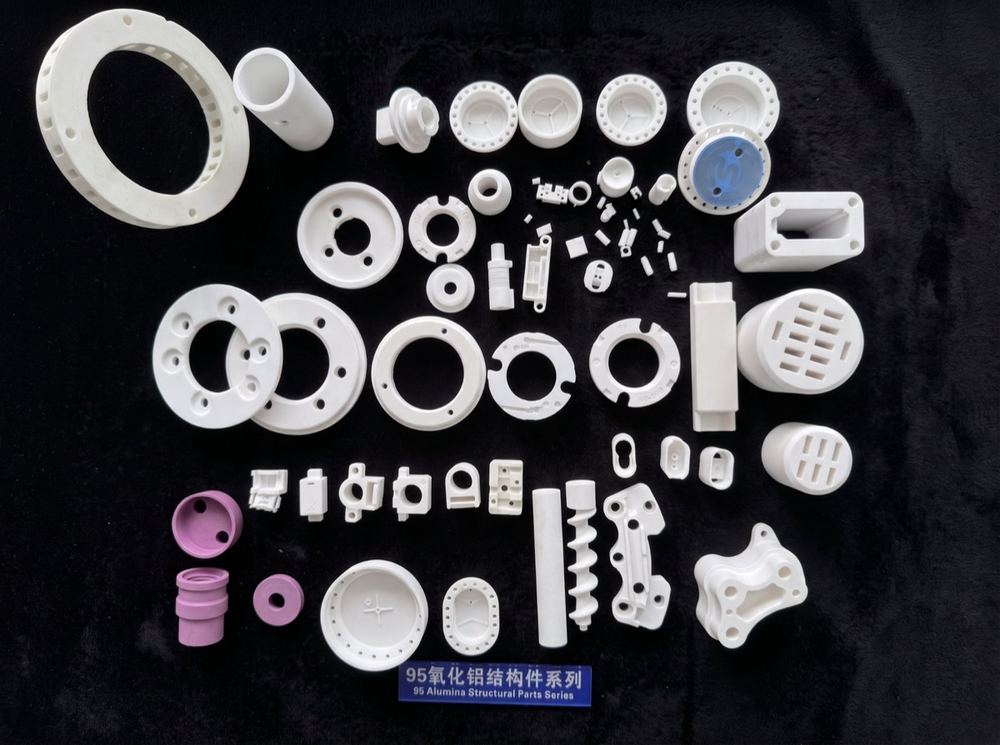
95% Alumina Structural Parts Series
95% alumina ceramic contains ≥95% Al₂O₃ and is formed by dry pressing, hot pressing and similar processes. It combines excellent electrical insulation, mechanical strength and cost efficiency — the most widely used general-purpose ceramic in the electronics industry, available as custom complex structural parts.
What we need to quote
Drawing (PDF / DWG / STEP), material grade, quantity and surface finish. No drawing? Send a sample or a sketch and we will convert it.
Series Photos
95% Alumina Structural Parts Series
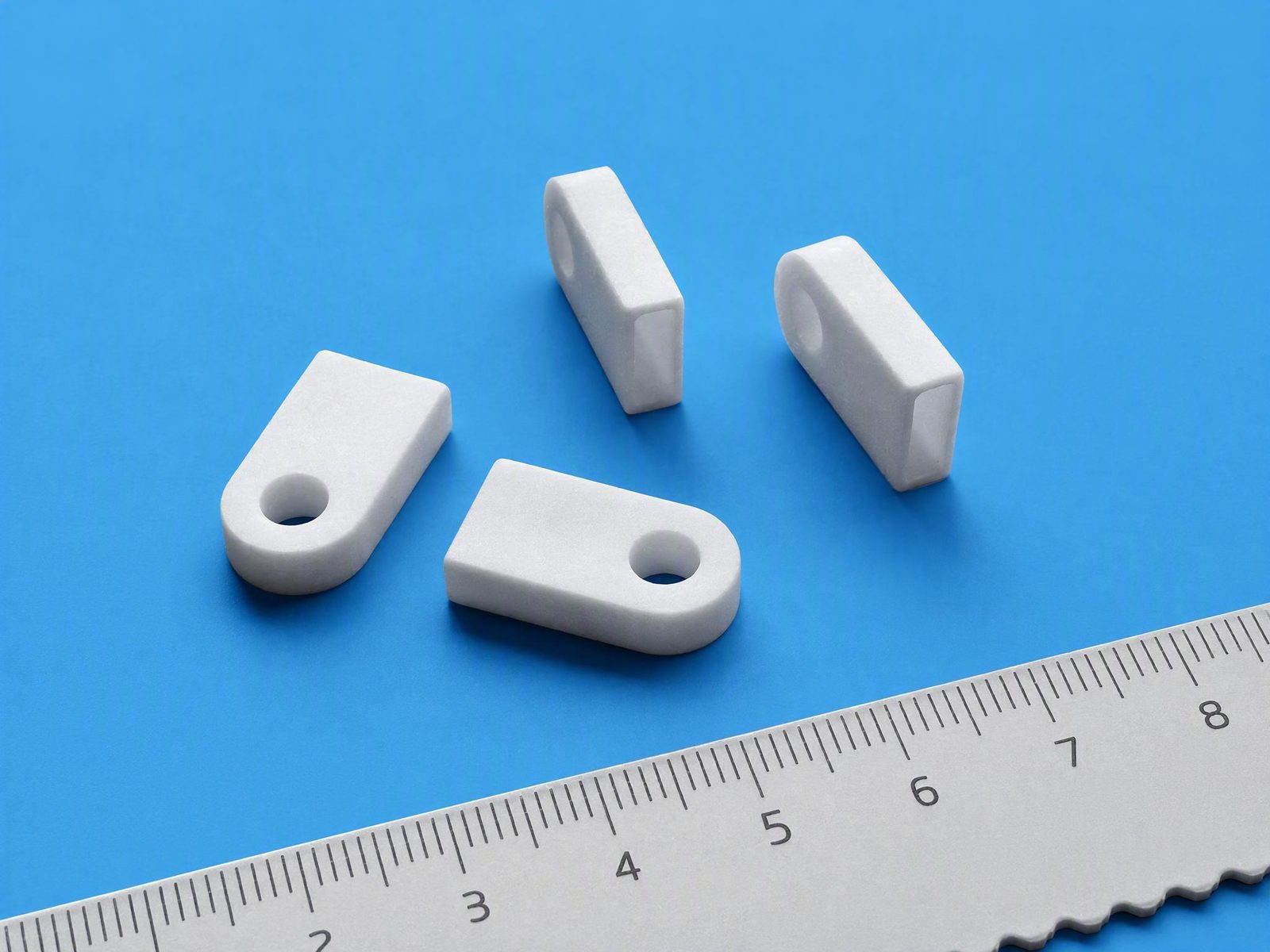 Alumina Ceramic Parts
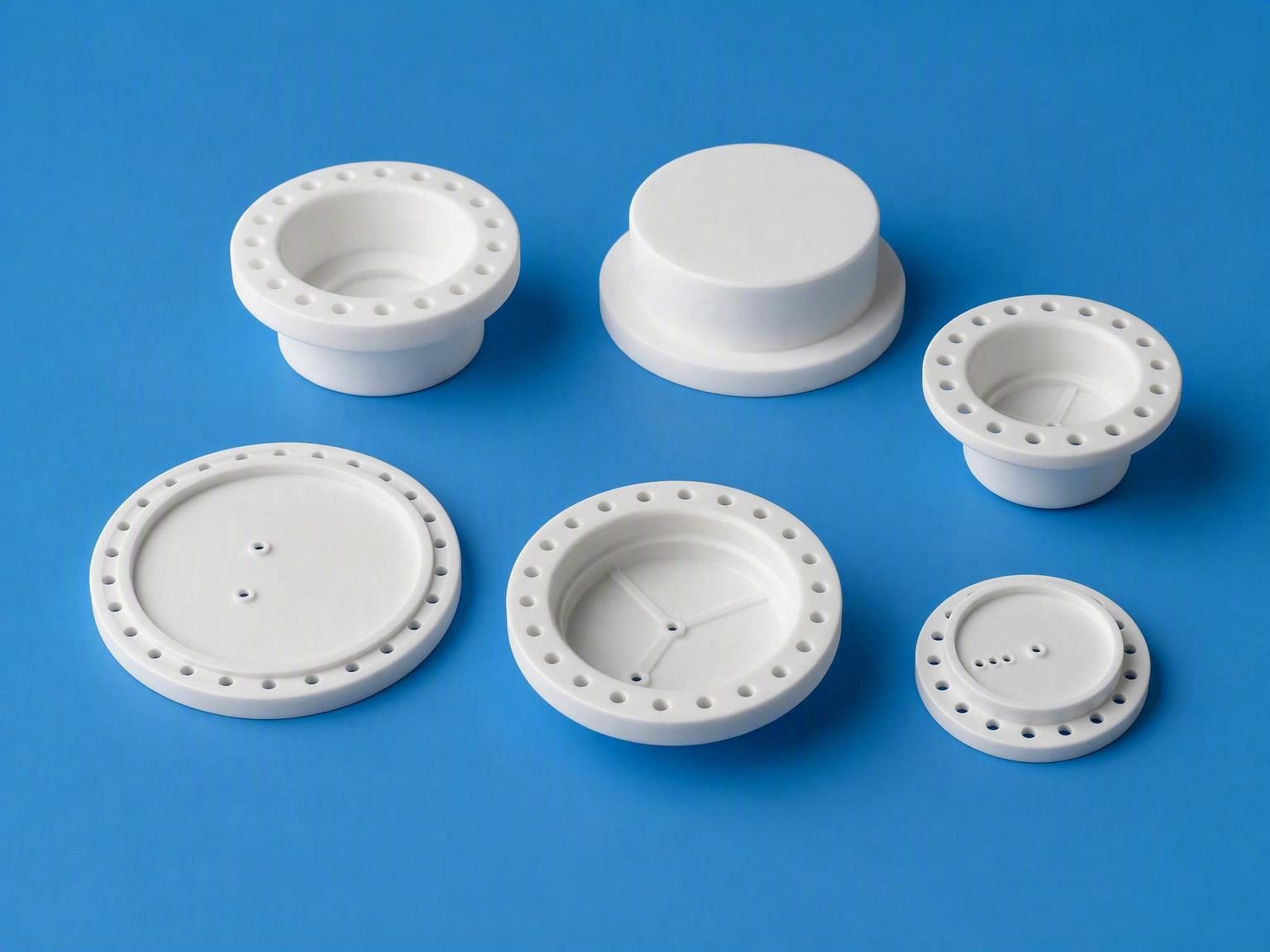 Alumina Ceramic Heating Core for Aroma Diffuser
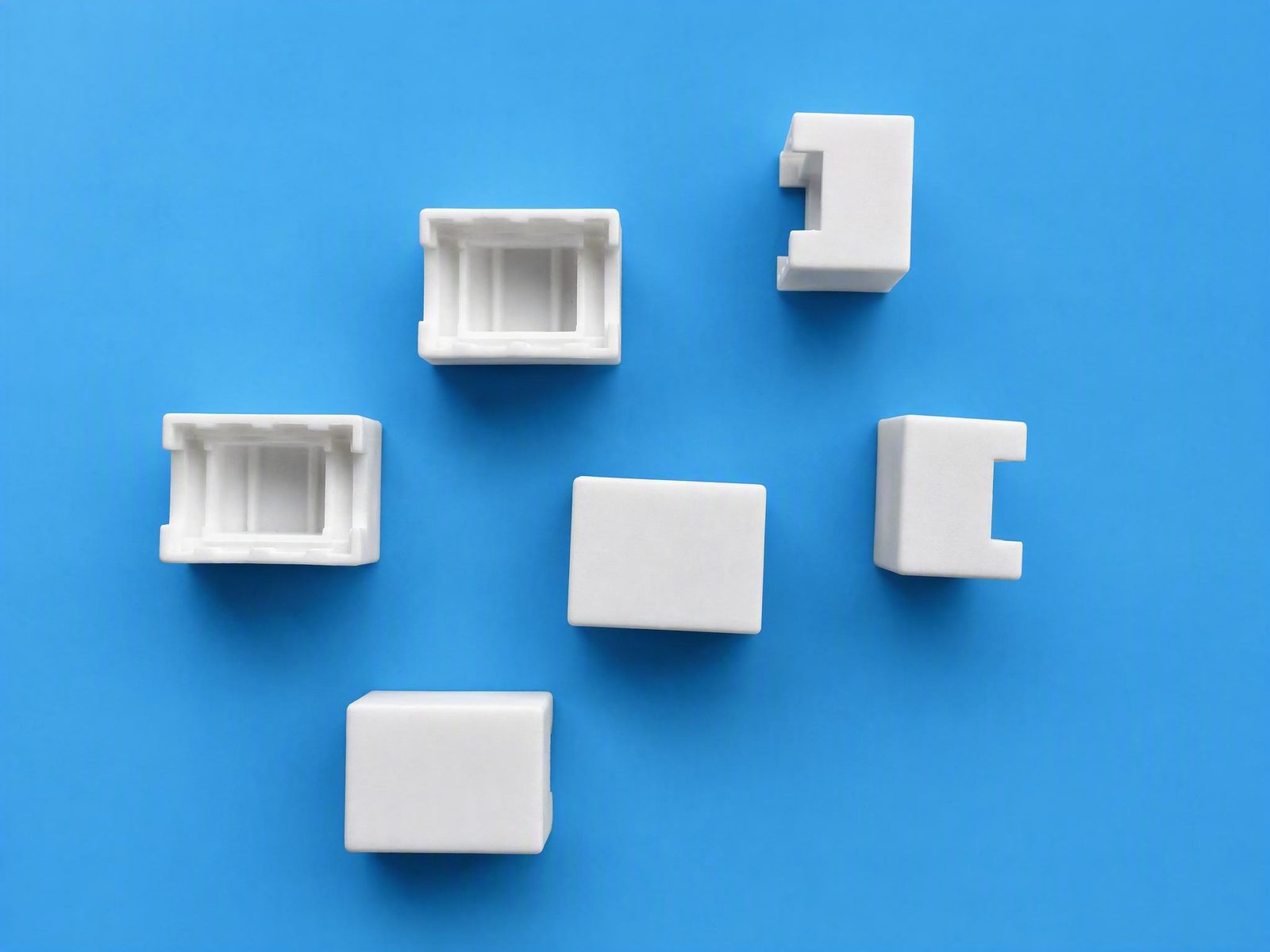 Alumina Ceramic Housing
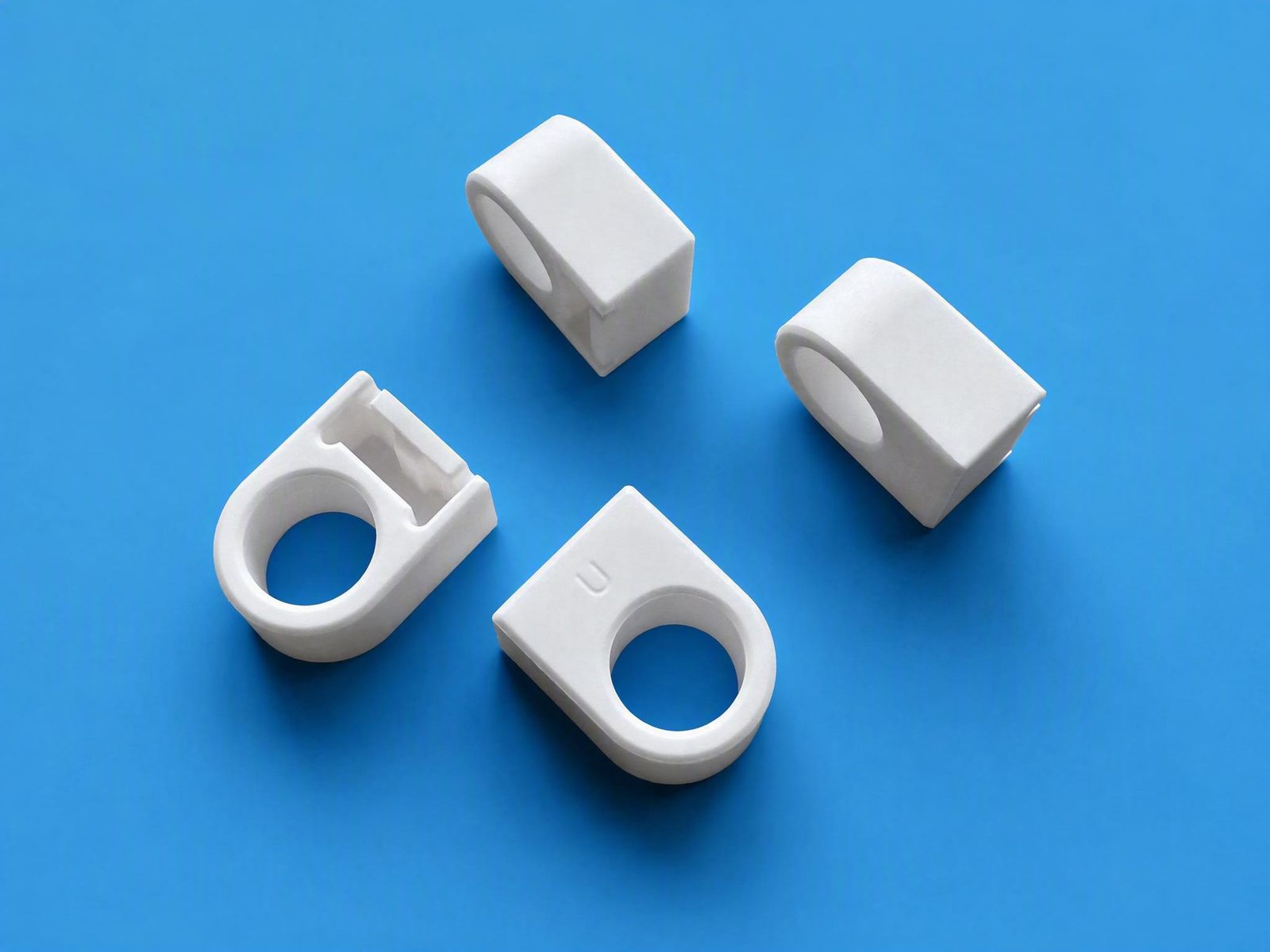 Alumina Ceramic Positioning Sleeve
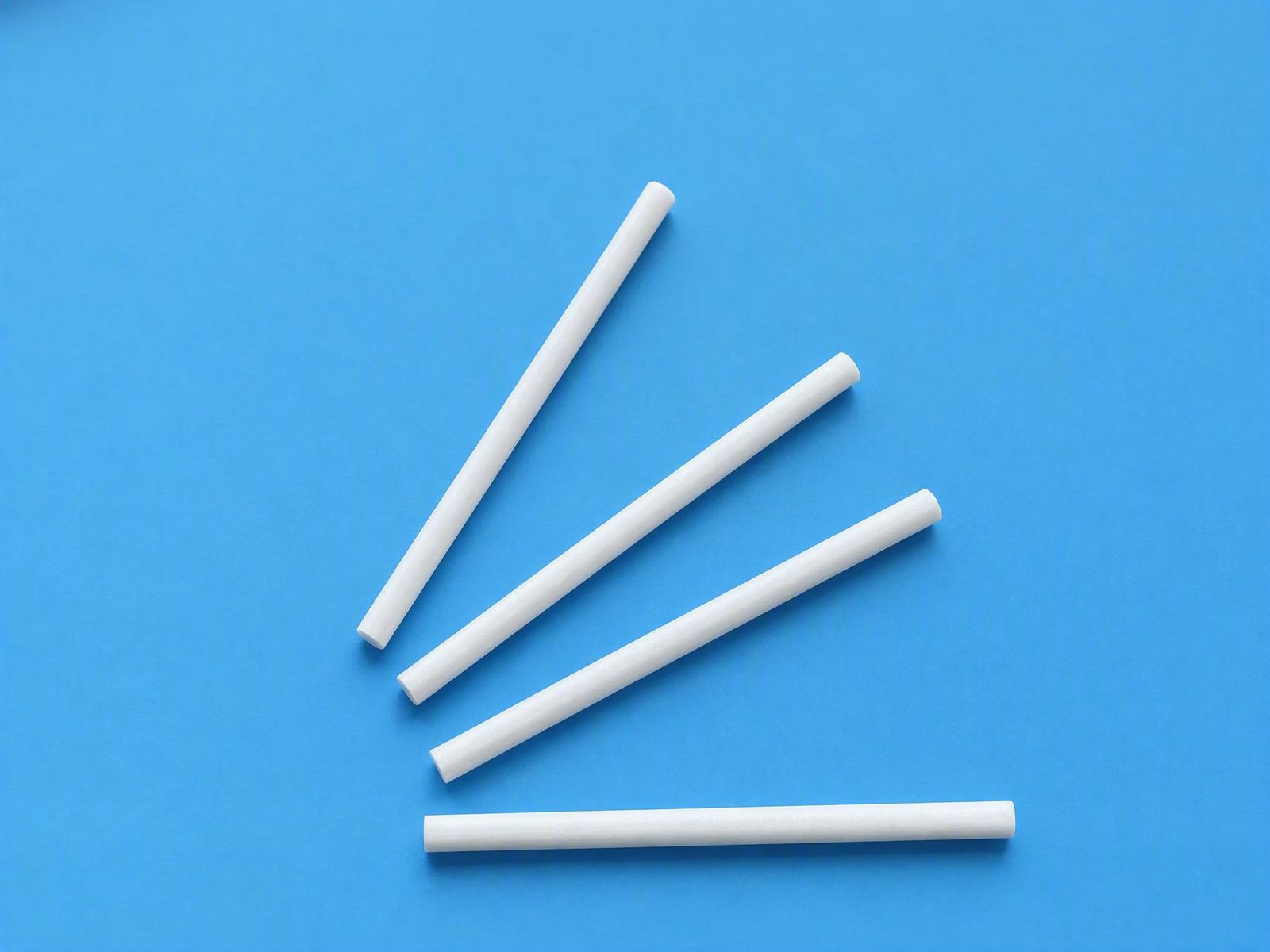 Alumina Ceramic Rod
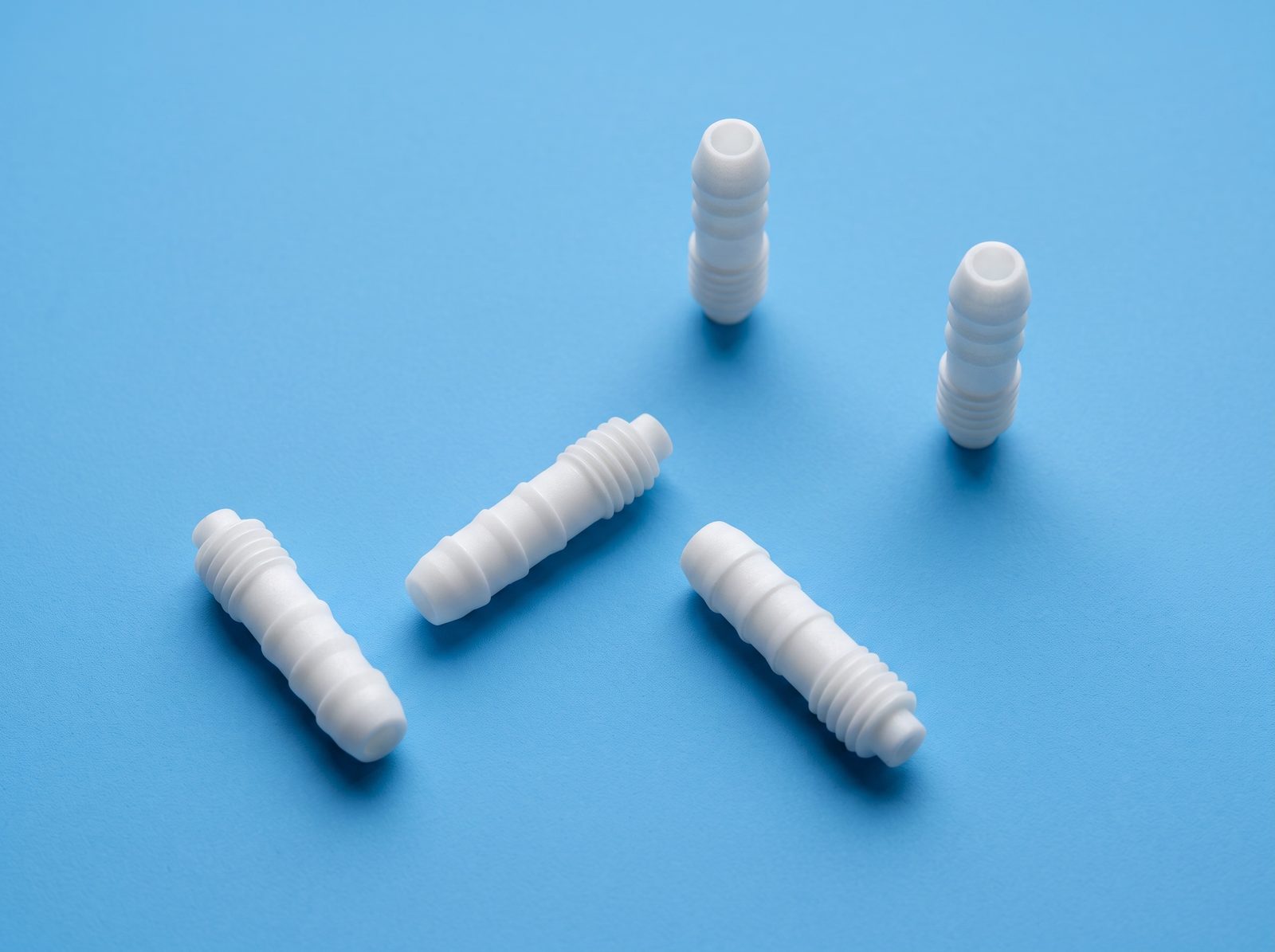 Alumina Ceramic Injection-Moulded Part (CIM)
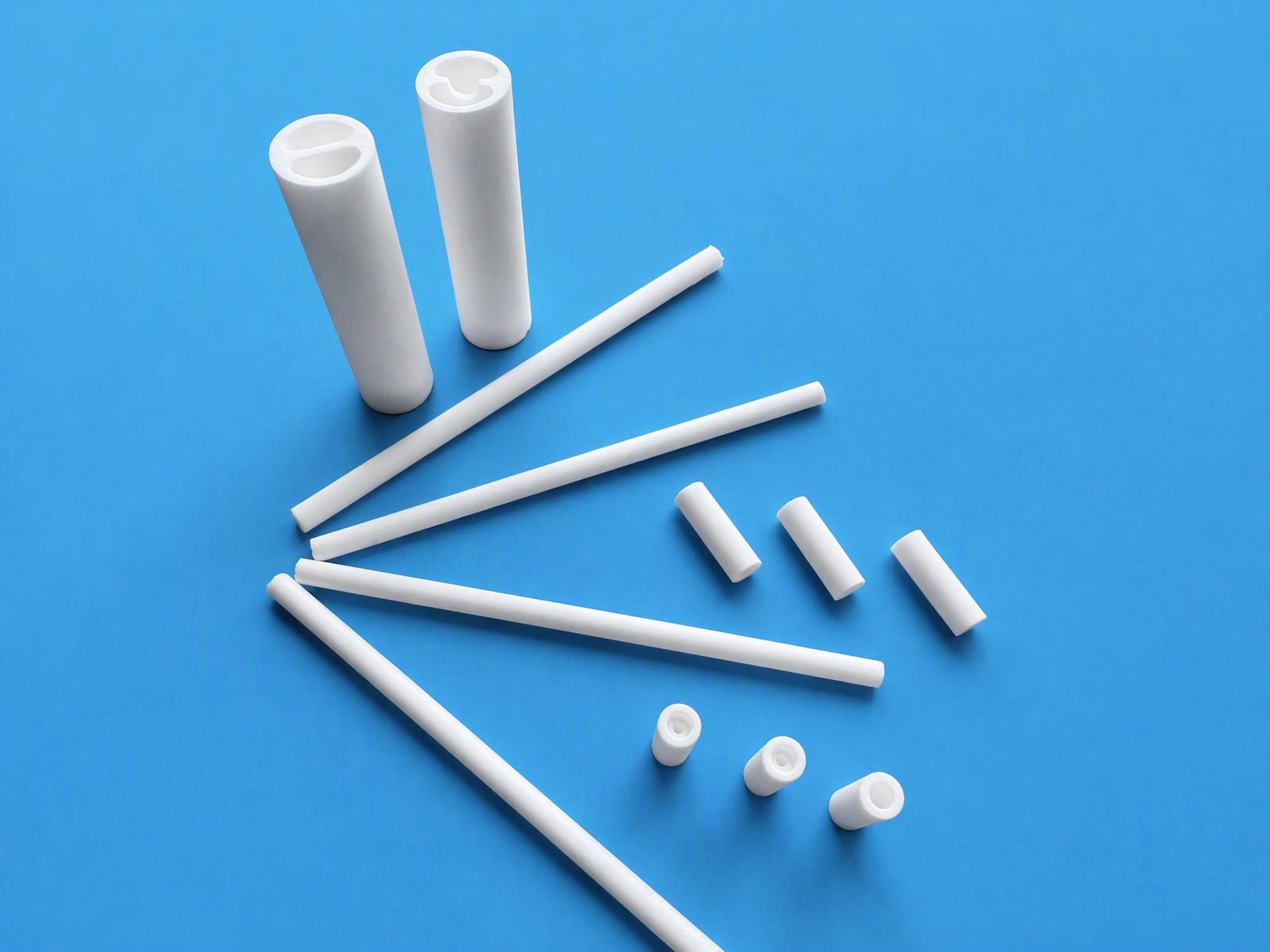 Alumina Ceramic Tube
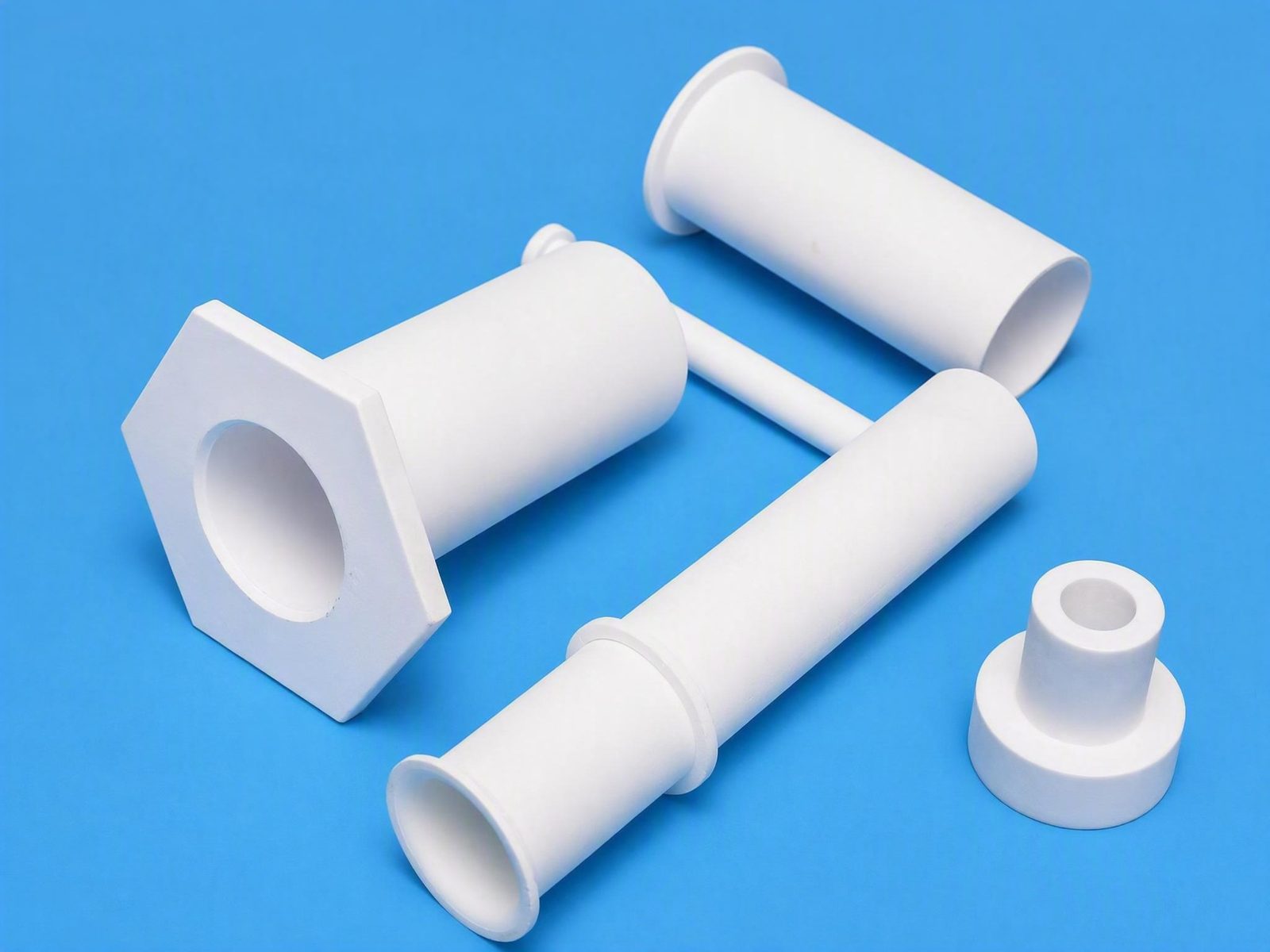 Alumina Ceramic Component Assembly
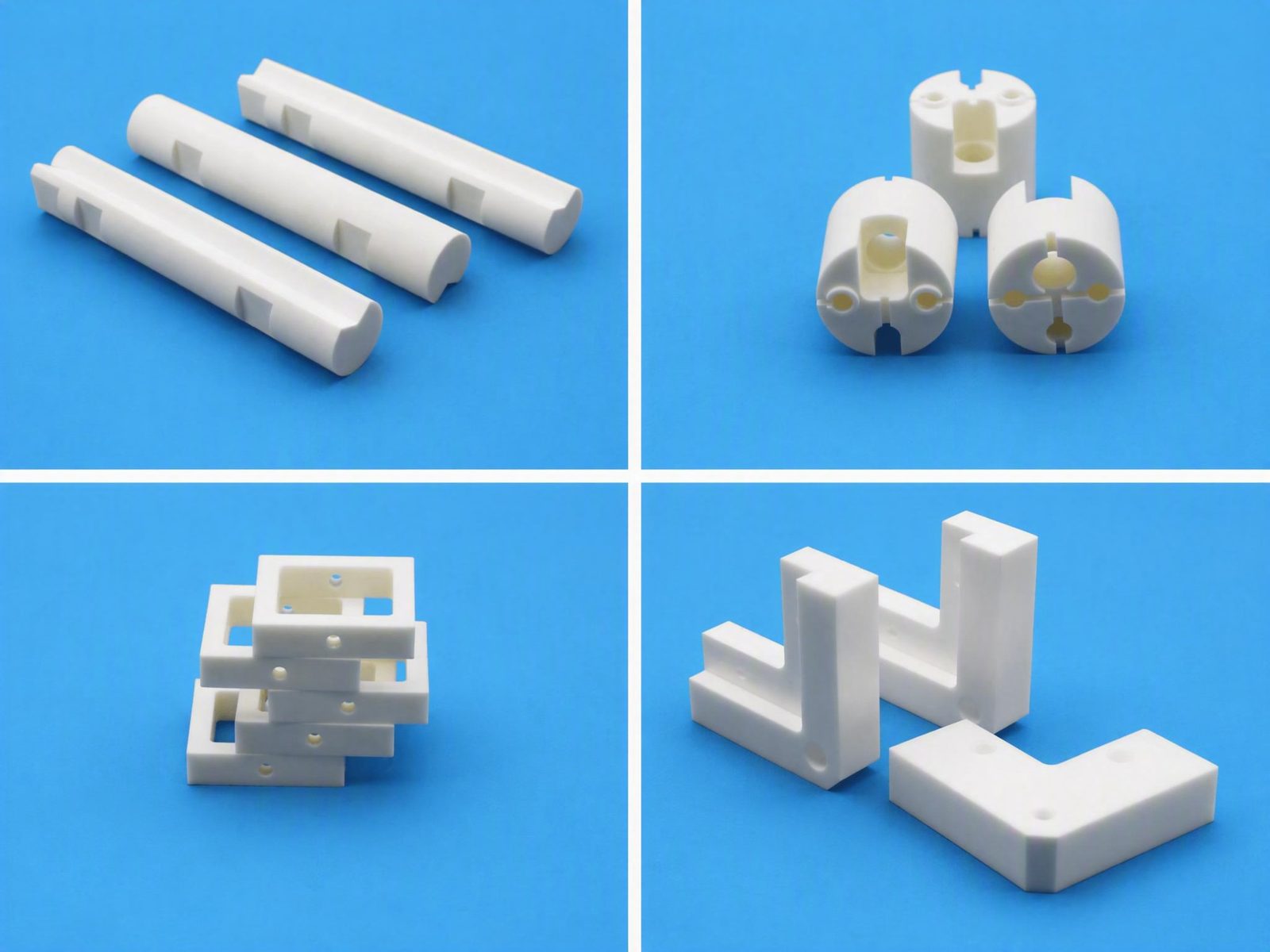 Alumina Ceramic Multi-Part Assembly
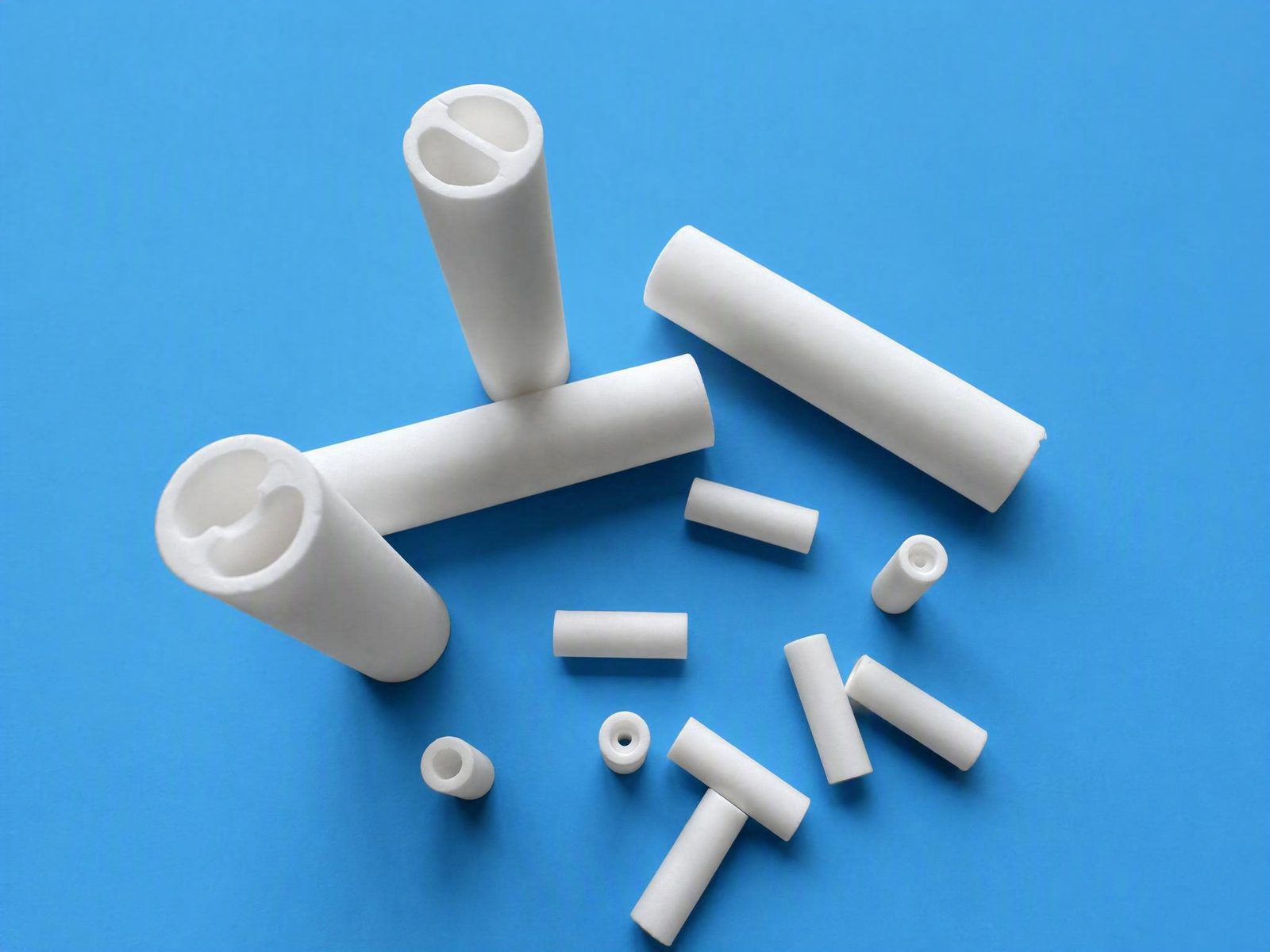 Alumina Ceramic Insulating Tube
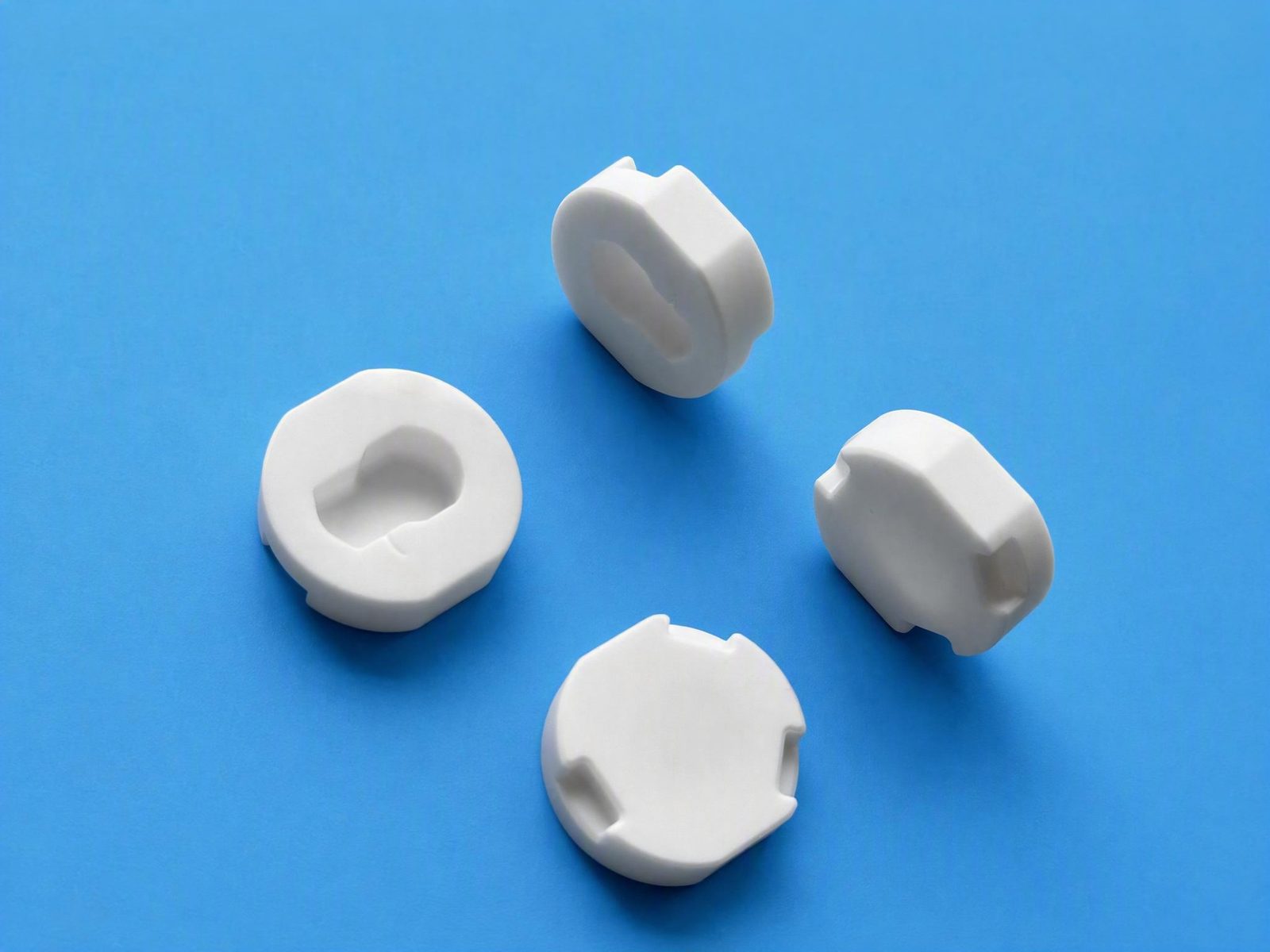 Alumina Ceramic Valve Disc (Faucet Cartridge)
95% Alumina Structural Parts Series
95% alumina ceramic contains ≥95% Al₂O₃ and is formed by dry pressing, hot pressing and similar processes. It combines excellent electrical insulation, mechanical strength and cost efficiency — the most widely used general-purpose ceramic in the electronics industry, available as custom complex structural parts.
Available processes and finishes
- Dry pressing, isostatic pressing and extrusion available
- Grindable to ±0.01 mm for assembly tolerances
- Tooling ready for common sizes; prototypes in 10–15 days
Shipment inspection
Dimensional sampling report with every batch; full dimensional report, roughness report, insulation resistance test and certificate of conformance on request.
Technical data
| Parameter | Typical value | Notes |
|---|---|---|
| Alumina content | ≥95% | Standard industrial grade |
| Density | ≥3.70 g/cm³ | Uniform dense sintering |
| Flexural strength | ≥320 MPa | Excellent mechanical performance |
| Vickers hardness | 1500–1600 HV | Good wear resistance |
| Dielectric strength | ≥18 kV/mm | Reliable insulation |
| Thermal conductivity | ≥20 W/m·K | Good heat dissipation |
| Max. service temperature | 1600 ℃ | Strong thermal stability |
| Dimensional tolerance | ±0.05 – ±0.1 mm | Tolerance per requirement |
| Material grade | Al₂O₃ 95% | |
Where you will typically find this part
Circuit protection
Fuse ceramic tubes, fuse housings, arc-extinguishing chambers, insulating cores
Temperature-control appliances
Thermostat bases, insulating spacers, terminal supports
Relays & contactors
Insulating seats, arc shields, contact supports
Industrial equipment
Insulating spacers, locating pins, heater element supports
New energy
PV fuse ceramic parts, energy-storage insulating structures
Machining capability & tolerances
The ranges below are routinely achievable. Real tolerances depend on shape, size and material — send the drawing and we confirm each item.
| Item | Standard | Precision |
|---|---|---|
| Dimensional tolerance | ±0.05 mm | ±0.02 mm |
| Flatness | ≤ 0.01 mm | ≤ 0.005 mm |
| Surface roughness | Ra 0.4 μm | Ra 0.2 μm |
| Minimum hole diameter | φ 0.3 mm | φ 0.15 mm |
| Parallelism / perpendicularity | 0.02 mm | 0.01 mm |
Precision grade requires drawing review and may add operations and cost.
Forming, machining & finishing
- Dry pressing
- Isostatic pressing
- Injection moulding
- Hot die casting
- Extrusion
- Diamond grinding
- Surface / centreless grinding
- Ultrasonic machining
- Laser cutting
- CNC engraving
- Polishing to Ra 0.2
- W/Mo-Mn metallisation
- Nickel / gold plating
- Glazing
- Ceramic-to-metal brazing
What we need to quote
Drawing (PDF / DWG / STEP), material grade, quantity and surface finish. No drawing? Send a sample or a sketch and we will convert it.
Send Drawing for QuoteSix things to include in your RFQ
The more complete the information, the faster and more accurate the quote. No drawing yet? Start with a sample or a sketch.
Drawing
PDF, DWG or STEP, with critical dimensions and tolerances marked.
Material grade
E.g. 99% alumina or zirconia. Not sure? Describe the operating conditions and we will recommend.
Quantity
Sampling quantity and expected volume, so we can quote tiered pricing.
Tolerance requirements
Dimensional and geometric tolerances on critical features; non-critical faces can be left open.
Surface & post-processing
Roughness, metallisation, glazing, plating or brazing requirements.
Lead time & application
Target delivery date and end use, so we can match process and capacity.
A photo of the part or a short note on the operating conditions speeds up the engineering review.
FAQ
Can you work without a drawing?
Yes. Send a sample, a sketch or clear photos with the critical dimensions marked and our engineers will produce a drawing for your approval. Confidential drawings can be covered by an NDA first.
What is the minimum order quantity?
Standard MOQ is 10 pieces, with better unit pricing from 50 pieces. For R&D we can evaluate 1–5 piece sample requests case by case.
Can I get a sample first?
Standard sizes can be supplied from stock as sample chips. Custom sizes carry a sampling charge, which is fully credited against your volume order.
What is the lead time?
Samples 10–15 days after drawing approval, volume 4–6 weeks. Metallisation or ceramic-to-metal brazing usually adds another 1–2 weeks.
Is the sampling charge deductible?
Yes. The sampling charge for custom sizes is credited in full against the subsequent volume order; standard sample chips are free (freight at cost).
How small a hole or how thin a wall can you make?
Routinely φ0.15 mm minimum hole and 0.3 mm minimum wall. The real limit depends on material, part size and hole depth, so we assess it from your drawing.
Do you offer metallisation and ceramic-to-metal sealing?
Yes — W/Mo-Mn metallisation, nickel/gold plating and ceramic-to-metal brazing. Helium leak rate and similar targets can be agreed to your specification.
What are the payment terms?
T/T: 30% deposit, 70% before shipment. Monthly settlement can be arranged for long-term partners.
Who handles export documents and shipping?
We handle the full export document set (invoice, packing list, certificate of origin, etc.) and arrange logistics, or ship through your nominated forwarder.
How is quality verified, and what if it fails?
You get a dimensional report and photos before shipment, and third-party or video inspection can be arranged. If incoming inspection fails, we rework or replace free of charge.
Related products
Not the model you need?
Send us the drawing, a photo of the sample or the operating conditions, and our engineers will recommend a material and process.